
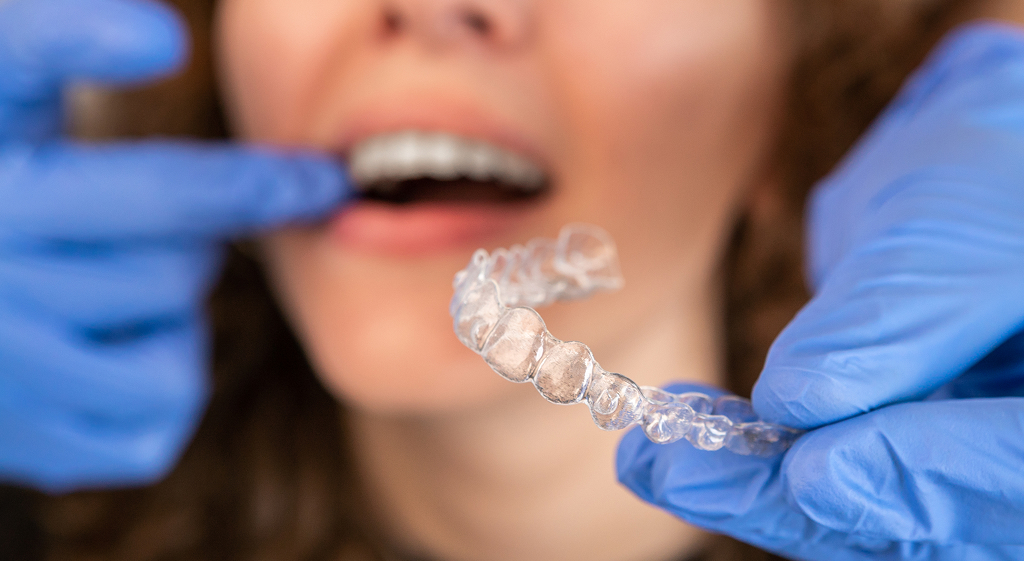
Invisalign is often presented as a simple, convenient way to straighten teeth, but the reality is more complex. Most guides focus on appearances, not the day-to-day experience or subtle challenges that can affect results. From unexpected discomfort to small lifestyle adjustments, there are truths patients rarely hear before starting treatment. Understanding these hidden aspects can help you prepare, avoid surprises, and make your Invisalign journey smoother and more effective.
Many patients assume Invisalign is completely painless, but mild discomfort is common and often misunderstood. The pressure needed to shift teeth can create soreness, tightness, or a dull ache—especially during the first few days of a new tray. What is rarely discussed is that this sensation is a positive sign: your teeth are moving as planned. Pain can also fluctuate throughout treatment, with some days feeling completely fine and others bringing sharp twinges when biting or chewing. Over-the-counter relief, soft foods, or brief breaks from intense chewing can help, but knowing that minor discomfort is normal prevents unnecessary worry and frustration during your Invisalign journey.
Wearing your Invisalign aligners consistently is the single most important factor in achieving results on time. Even a few hours of missed wear each day can slow tooth movement and extend your treatment. Many people don’t realize that teeth shift back slightly if pressure is inconsistent, which can create gaps or misalignment that need correction. Consistent wear also helps prevent unnecessary pain spikes, as teeth adjust more smoothly to gentle, continuous pressure. Aligners are designed to work best when worn 20–22 hours per day, and maintaining this routine—even on busy days or during travel—ensures predictable progress and reduces the need for refinements later in treatment.
Yes, what you eat can subtly influence your Invisalign treatment. While aligners are removable, frequent snacking or sugary drinks can leave acids and debris on teeth, which may cause decay or staining and affect the fit of your trays. Sticky or hard foods don’t just risk your teeth—they can also stress attachments or buttons, slowing progress. Even habits like sipping coffee or tea throughout the day can leave residues that make aligners cloudy or uncomfortable. Being mindful of diet and brushing thoroughly after eating ensures your aligners remain effective, keeps your teeth healthy, and helps treatment stay on schedule.
Invisalign treatment timelines are estimates, but results can take longer than expected for several subtle reasons. Teeth don’t move at the same rate for everyone; bone density, tooth shape, and previous dental work all influence progress. Minor inconsistencies in wearing aligners can also slow movement, even if it feels like you’re following instructions perfectly. Some teeth may require refinements or small attachments to guide them correctly, which can extend treatment without warning. Additionally, natural tooth resistance and small shifts in jaw alignment can subtly alter the plan. Understanding that these factors are normal helps patients stay patient and committed throughout the process.
Invisalign aligners can temporarily change how your tongue interacts with your teeth, which may affect speech. Many patients notice a slight lisp or subtle changes in pronunciation during the first few days of a new tray. This is often surprising, as it’s rarely mentioned in standard guides. The effect is usually mild and short-lived because your tongue and mouth quickly adapt to the aligners. Certain sounds, like “s” or “th,” may feel awkward at first, but practicing reading aloud or speaking slowly can help. Being aware of this early prevents frustration and helps patients adjust naturally while continuing treatment comfortably.
While Invisalign is highly effective for many alignment issues, it has limitations that are often overlooked. Severe bite problems, such as major overbites, underbites, or crossbites, may require additional orthodontic appliances or even minor dental surgery to correct fully. Some rotations or stubborn gaps may not respond completely to aligners alone and need refinements or attachments to guide movement. Patients with significant tooth wear, missing teeth, or complex jaw alignment may find Invisalign helpful but not a complete solution. Understanding these boundaries early can prevent frustration and help patients set realistic expectations, ensuring treatment is effective and avoids surprises along the way.
Proper daily care keeps Invisalign aligners clear, comfortable, and effective, but many patients overlook small details. Aligners should be rinsed every time you remove them and cleaned with a soft brush using clear, non-abrasive soap—regular toothpaste can scratch the surface. Avoid hot water, which can warp the plastic. Storing aligners in their case prevents loss and contamination. After eating or drinking anything besides water, brushing your teeth before reinserting aligners helps prevent staining and bacterial buildup. Small habits, like cleaning under attachments and rinsing trays before wearing, make a significant difference in comfort, hygiene, and overall treatment success, yet they are rarely emphasized in typical Invisalign instructions.
Many patients assume the advertised price covers the entire Invisalign treatment, but unexpected costs can arise. Additional visits for refinements, attachments, or minor adjustments may increase the total expense. Some people underestimate the cost of retainers needed after treatment, which are critical for maintaining results. Even minor dental work, like fillings or cleaning before starting treatment, can add to the upfront cost. Insurance coverage varies, and out-of-pocket expenses can differ depending on your plan. Understanding these factors ahead of time helps prevent surprises and allows better financial planning. Financing options are often available, making treatment more manageable for patients who need flexibility.
Retainers are essential to protect the results achieved with Invisalign. Teeth naturally shift over time, and without a retainer, even small movements can undo months of careful alignment. Many patients don’t realize that bone and gum tissues take longer to stabilize than the teeth themselves, making the retention phase just as important as the treatment phase. Consistently wearing a retainer—whether full-time initially or at night long-term—helps maintain your smile’s shape and prevents relapse. Simple habits, like keeping the retainer clean and storing it properly, play a big role in its effectiveness. Skipping retainer use is one of the most common reasons Invisalign results don’t last.
Invisalign subtly impacts your daily habits in ways many patients don’t expect. Eating and drinking require planning, since trays must be removed for anything other than water. Frequent brushing and rinsing become necessary to prevent staining or bacterial buildup. Social situations, coffee breaks, and even quick snacks may require extra attention to avoid leaving debris in aligners. Travel or busy workdays can demand careful packing and consistent wear to stay on track. Sports or physical activity may need minor adjustments, like removing or checking trays. While these changes are manageable, being aware of them early helps patients maintain treatment consistency, hygiene, and comfort without disrupting their lifestyle.
Invisalign offers a convenient and discreet way to straighten teeth, but it comes with realities many people don’t hear about. From mild discomfort and lifestyle adjustments to the importance of consistent wear and retainer use, understanding these hidden aspects can make your treatment smoother and more predictable. Being aware of costs, daily care, and small challenges helps you stay on track and achieve lasting results. If you’re considering Invisalign or want personalized guidance for your smile, don’t wait—visit us at Dr Cara Dental or call (404) 594-5542 to schedule an appointment and start your journey with confidence.


We're proud to celebrate her excellence in care and dedication to our patients.