
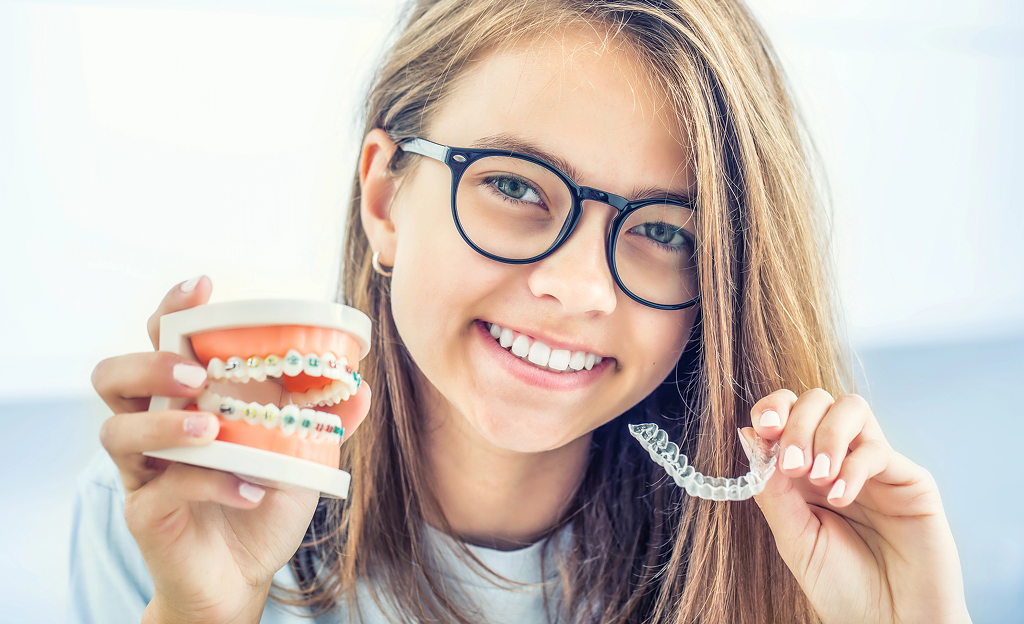
Invisalign aligners look simple and invisible, but they are surprisingly sensitive to everyday habits. Many adults do not realize that staining often happens gradually, not suddenly, through repeated exposure to small choices like drinks during busy workdays or quick snacks between tasks. Because aligners sit directly against the teeth for most of the day, they can absorb color and residue in ways that are not always visible at first. This makes clarity a daily responsibility, not just a dental one.
Invisalign aligners can stain more easily than most people expect because it is not only about strong colors, but also about how substances interact with heat, acidity, and time. Drinks like coffee, tea, and red wine are common causes because they carry deep pigments that settle into the aligner surface. Soda and flavored drinks can also leave behind a cloudy film due to sugar and acid buildup. Even some foods, especially those with turmeric, tomato-based sauces, or strong spices, can contribute indirectly when residue is not fully cleaned off before reinserting trays. What is often overlooked is that frequent small exposures throughout the day can have a bigger impact than one large exposure.
Invisalign aligners are made from a smooth, clear plastic, but on a microscopic level the surface is not completely sealed. This means tiny particles from drinks, saliva, and food can settle into small irregularities over time. What many people don’t realize is that warmth from the mouth can slightly soften the material, making it more receptive to pigments during daily wear. Another overlooked factor is the constant moisture inside the mouth, which allows staining compounds to stay in contact with the aligner longer than they would on a dry surface. This slow absorption is why even short exposure to certain drinks can gradually change clarity.
Caring for Invisalign is less about strict rules and more about awareness during normal daily habits. Many adults overlook how often trays are exposed during routine moments like driving, meetings, or caring for children. The most effective approach is to build small pauses into the day where aligners are checked, rinsed, or cleaned without disrupting the schedule. It also helps to notice “automatic habits,” such as sipping flavored drinks while focused or re-inserting trays without rinsing the mouth first. These small actions slowly affect clarity over time. Keeping a simple routine that fits into real life is often more effective than occasional intensive cleaning.
Staining becomes more than a cosmetic issue when it starts to affect how consistently aligners are worn or how patients feel about wearing them in public. One overlooked sign is when trays begin to look “cloudy” rather than simply tinted, which often indicates deeper residue buildup rather than surface discoloration. Another concern is when staining creates uneven color patches, making the aligners more noticeable during speech or social situations. Some people also start removing trays more often than recommended because they feel self-conscious, which can slow treatment progress. When clarity changes begin to influence behavior or comfort, it usually signals that cleaning habits or exposure routines need adjustment.
Over time, stained aligners can have effects that go beyond appearance. One less discussed issue is how persistent discoloration can subtly change how carefully people follow their treatment plan. When trays no longer feel clear or “invisible,” some patients unconsciously reduce wear time in social settings, which can slow tooth movement. Another overlooked effect is buildup texture, where repeated staining creates a slightly rougher surface that holds even more residue, making cleaning less effective over time. This cycle can also lead to a mild odor or cloudy appearance that becomes harder to reverse. In some cases, long-term staining can reduce confidence, which indirectly affects consistency and overall treatment progress.
Keeping Invisalign clear is not just about avoiding certain drinks or foods, but about understanding how everyday habits quietly shape aligner clarity over time. Small, repeated choices often matter more than one-off exposures, especially for busy adults balancing work, family, and social routines. With simple awareness and consistent care, aligners can stay much clearer throughout treatment.
If you have questions about Invisalign care or want guidance tailored to your routine, visit us or call (404) 594-5542 to schedule an appointment.


We're proud to celebrate her excellence in care and dedication to our patients.